This mindset is still common, and it is exactly where the risk starts to pile up. Penalties for buildings without an SLF are not empty threats: local governments in several regions have already sealed businesses and facilities with incomplete building permits, and the Jakarta provincial government has announced plans for a simultaneous building worthiness audit starting January 2026.
This article explains which penalties can be imposed, how enforcement escalates, and the other risks that building owners and managers often overlook.
In short: A building used without a Certificate of Functional Suitability (SLF) can face administrative sanctions ranging from warnings and suspension of use to fines, freezing or revocation of the SLF, and demolition orders. If damage or casualties occur, the owner may also face criminal penalties.
Legal Basis: Why Is an SLF Mandatory?
The Certificate of Functional Suitability (SLF) is issued by the local government to declare that a building is fit to be used for its intended function. Under Government Regulation (PP) 16/2021, building owners must hold an SLF before the building is used for operations. Under PP 28/2025 on risk-based business licensing, the SLF is also part of the basic requirements, so violations can affect your business license.
If you do not yet know how to obtain one, the full guide is in How to Apply for an SLF for Your Building: A Step-by-Step Guide from Scratch.
Administrative Sanctions: From Warnings to Demolition
Administrative sanctions for violating SLF obligations are set out in PP 16/2021 (Article 12) and generally include:
- Written warning
- Temporary or permanent suspension of the building’s use
- Administrative fine
- Freezing or revocation of the SLF
- Demolition order for the building
Meanwhile, PP 28/2025 provides that business actors who violate basic licensing requirements can face administrative sanctions, including administrative fines, which directly affect the continuity of business operations.
In practice, sanctions are usually imposed in stages. Heavier enforcement is generally the final option when findings are not acted upon by the owner.
How Large Are the Fines for a Building Without an SLF?
This is the most common question, and the answer is not a single figure. The amount of an administrative fine is set through implementing rules and regional regulations, so it can differ between regions and depend on the building’s function and size. Be cautious with fine amounts circulating online that do not cite a legal basis or a specific region.
For criminal penalties, the rules are clearer. Under Law 28/2002 as amended by Law 6/2023 (Job Creation), building owners and users who fail to comply may face:
- Up to 3 years in prison or a fine of up to 10% of the building’s value, if it causes property loss to others
- Up to 4 years in prison or a fine of up to 15% of the building’s value, if it causes an accident resulting in permanent disability
- Up to 5 years in prison and a fine of up to 20% of the building’s value, if it causes loss of life
In addition, some local governments have their own criminal provisions in their building regulations. In DKI Jakarta, for example, the regional regulation provides for several months of imprisonment or fines of up to hundreds of millions of rupiah for violating SLF provisions.
Sealing: How Does the Process Usually Work?
Sealing is generally not the first step. The sequence typically looks like this:
- Findings from an audit or local government inspection
- Written warning requiring the owner to obtain the SLF within a set period
- Temporary suspension of use if the warning is not acted upon
- Sealing of the building by authorized officers
- Demolition in the most serious cases, especially if the building is judged to endanger public safety
This means there is room to act before reaching the sealing stage. Owners who start preparing their SLF application immediately after receiving a warning are usually in a much safer position.
Other Risks Beyond Official Penalties
Many building owners focus on fines, yet the business impact is often larger:
- Business licenses can be blocked. The SLF is a basic requirement, so operations may be halted or the license may not take effect.
- Insurance claims are easier to dispute. If a fire or damage occurs in a building not yet legally fit for use, your position is weaker when filing a claim.
- Financing and transaction obstacles. Banks, investors, or prospective buyers conducting due diligence usually ask for building legality documents.
- Tenant and partner confidence. Corporate tenants and large partners increasingly require an SLF.
- Legal liability if an incident occurs. Without proof of functional suitability, your burden of proof as an owner becomes much heavier.
- Real safety risks. The SLF is designed to ensure that the structure, MEP, and fire protection systems meet standards. Without it, technical problems can go undetected. Symptoms can be recognized through 6 ‘Silent’ Signs Your Building Urgently Needs a Structural Audit.
Who Is Responsible?
The obligation to hold an SLF rests with the building owner. In practice, building users or managers can also be affected, either as parties whose business is shut down or as parties held accountable. Owners who lease out their buildings should make sure a valid SLF is available before tenants begin operating.
How to Avoid Penalties for a Building Without an SLF
- Check your building’s SLF status now, including its expiry date. An SLF for non-residential buildings generally lasts 5 years.
- Schedule the renewal early. Apply before the validity period ends, because an expired SLF can also become a finding.
- Make sure the basic legal documents are complete, from the PBG or IMB to as built drawings that match field conditions.
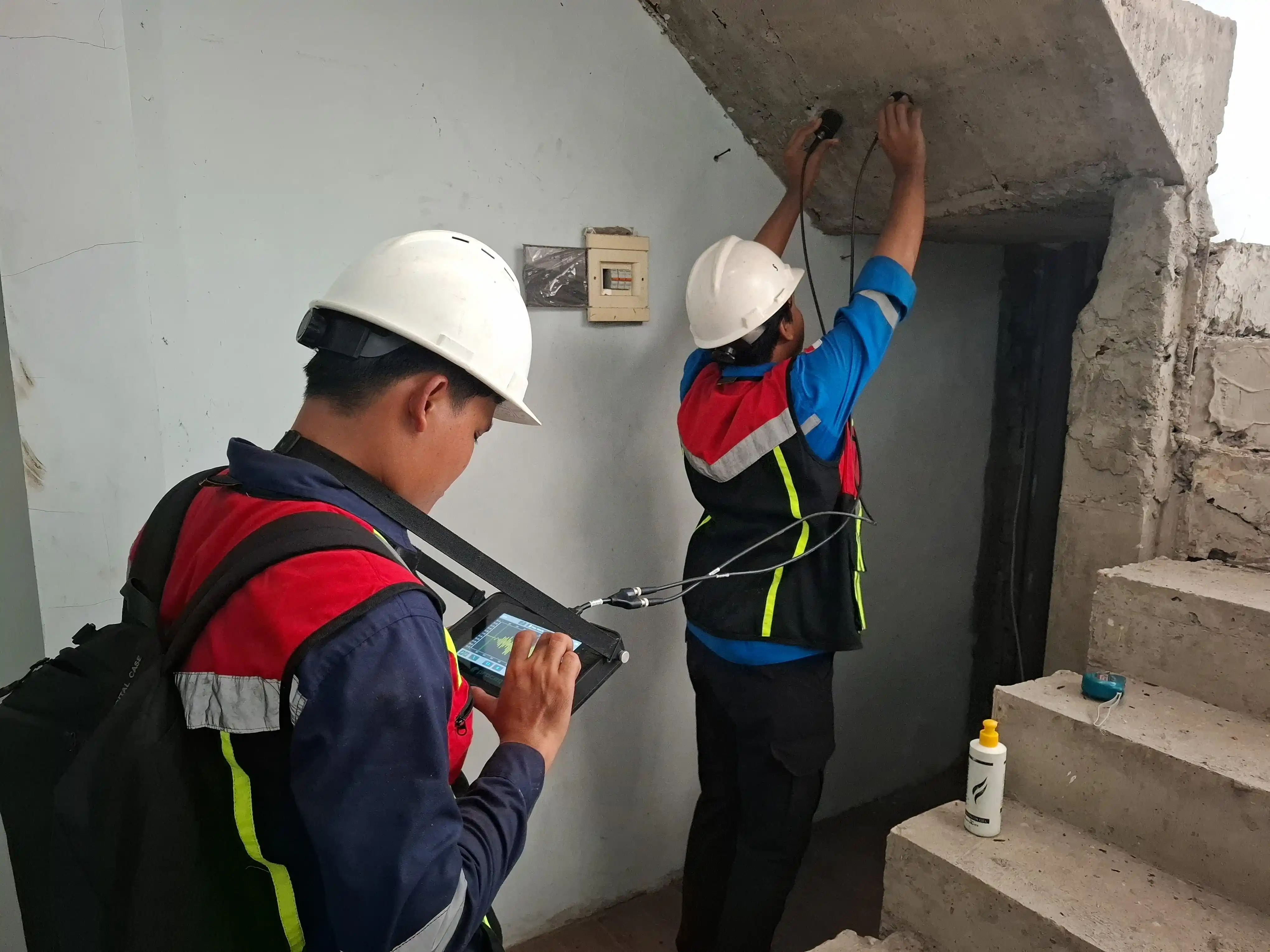
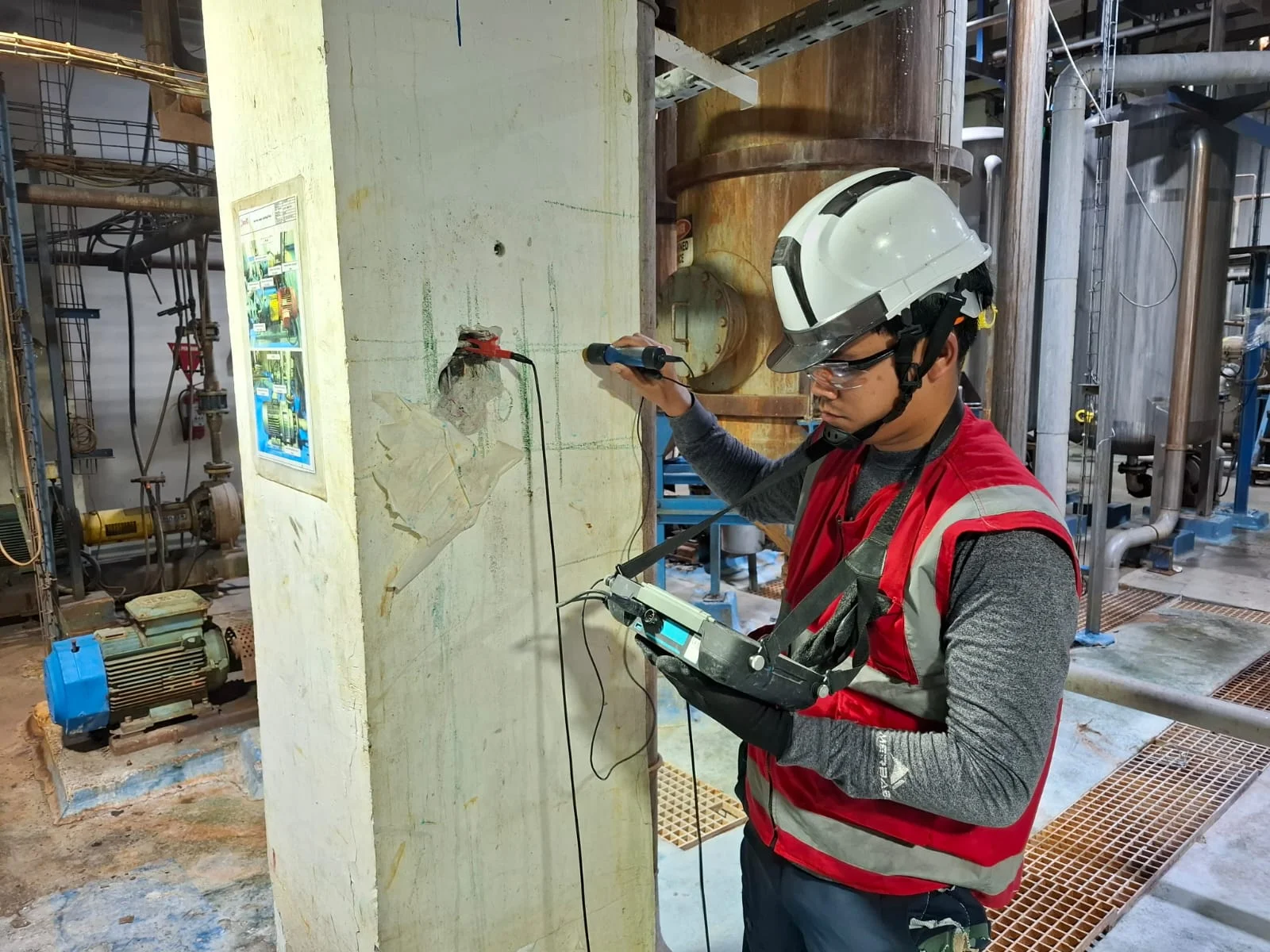
- Carry out a technical assessment first. A building structure audit and analysis helps determine whether the building is ready to pass inspection or needs repairs.
- Use professional assistance if time is short or documents are incomplete.
Frequently Asked Questions
Is an expired SLF treated the same as having no SLF?
In practical terms, an SLF that has expired and not been renewed risks being treated like having no SLF, and can become a finding during a building audit. That is why renewal should be submitted before the validity period ends.
Can a building that already has a PBG or IMB still be penalized for lacking an SLF?
Yes. A PBG or IMB is a permit to build, while an SLF declares that the building is fit for use. They are separate obligations.
Can an SLF still be obtained after a building has been sealed?
Generally, the owner must still fulfill the SLF obligation and follow the local government’s procedure for lifting the seal. The process differs between regions, so it is best to consult an expert and the relevant agency promptly to take the right steps.
Conclusion
Penalties for buildings without an SLF are tiered, from warnings and fines to sealing, demolition, and criminal sanctions when there are casualties or losses. Beyond official penalties, the impact on business licenses, insurance, financing, and partner trust is often more costly than the cost of obtaining the SLF itself.
The good news is that almost all of these risks can be prevented with proper preparation. PT Join Teknologi Internasional provides SLF processing services from technical review to certificate issuance, supported by structural audit services by certified experts. Consult your building’s SLF status via WhatsApp, free of charge.
The information in this article is general in nature, is not legal advice, may differ between regions, and may change with the latest regulations. For specific cases, consult a legal advisor and your local technical agency. This article was written by the structural team of PT. Join Teknologi Internasional.